
The Stop Date Nobody Sets
Every channel gets a launch date. Almost none of them get a stop date, and the difference costs more than anything else on the plan.
Somebody diarised the start, put a slide behind it and named a budget line to pay for it. The ending is the same decision at the same size, taken by the same people in the same room, and it reaches nobody's calendar at all.
A channel with no stop date against it has stopped being a bet and started being a subscription nobody chose.
So this lesson builds the earliest date you could honestly call it, out of three figures you supply yourself, and names the evidence somebody reads on the day it arrives and the four things they are allowed to decide.
Nobody diaries the stop
A launch is a decision made in a meeting, with a budget behind it, a slide deck and somebody's name against it. The stop is the same decision at the same weight, and it gets made in a corridor eleven months later by whoever is annoyed.
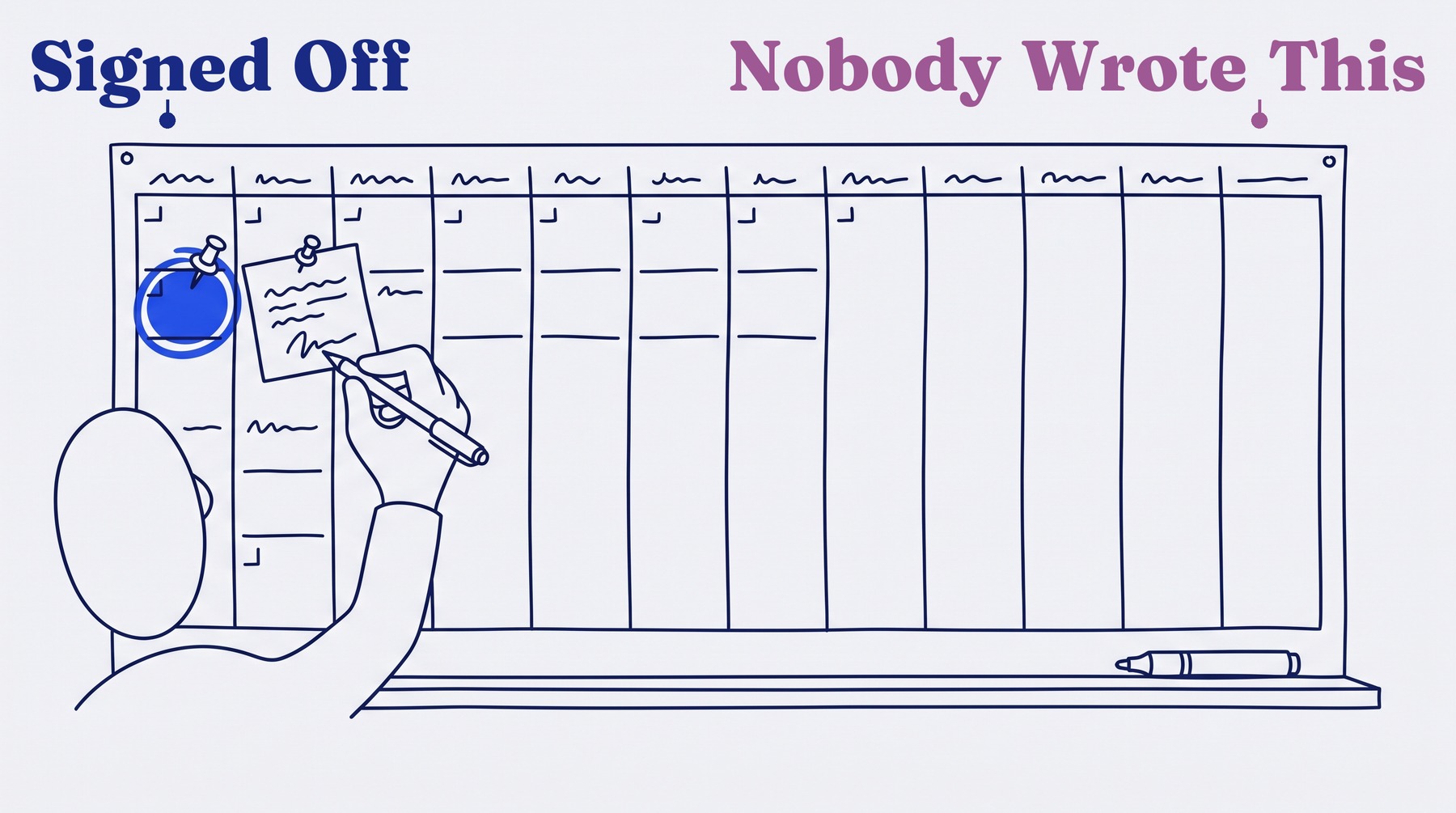
The near end of the planner is circled, pinned and signed. The far end is ruled and empty, and the pen that would have written it is lying capped on the shelf. It stays that way until the day a finance review finally asks about it.
The two numbers it runs on
Both numbers come off your own accounts. Neither one is a benchmark you can borrow. Decide them before the first upload goes out, so that nobody picks a figure later on to suit an answer they already want.
A fair run is the number of posts you agree counts as a real attempt. Read yours off a channel that already works, at the point where its numbers stopped looking random from one week to the next.
Weeks to return is the gap between somebody seeing the channel and somebody acting on it. It is rarely short. It stretches with the size of the decision, so a procurement cycle moves slower than a newsletter signup and the date has to allow for it.
Those two figures, plus the rate you can actually post at, are the whole calculation. Everything else is opinion wearing the clothes of analysis.
Who decides on the day, and on which evidence
When the conversation happens, fixed in somebody's diary
What the channel was meant to prove, agreed in writing
The budget quietly renews itself by default, every single year
The review happens when somebody is annoyed
Nobody in the room can say what would have counted as working
The left column is what a date buys you, for the price of one slightly uncomfortable conversation at the very start. The right column is what a review scheduled for later actually delivers, which is a renewal nobody chose and nobody can defend.
Set the dial to your own rate
A date with no evidence rule attached is a calendar reminder. Agree the evidence on the day you agree the date, and write all three lines where both sides can read them.
Replies and saves from buyers rather than from peers and competitors in your own trade.
Clicks that land on a page you own, where you can measure what happens next without asking anybody for access.
Follower growth, which counts for nothing on this decision because it moves for reasons nobody in the room controls.
Two of those three count towards the decision and the third one never does. Naming the third one at the start is what keeps a review in month six from sliding into a conversation about taste and instinct.
Set the dial below to your posting rate, your fair run and your weeks to return. Read the date it hands back.
The date travels a long way out on a thin posting week, which is the part people find uncomfortable when they first see it. A channel at one post a week asks for the better part of a year. That is a long stretch to keep paying for.
Four ways the date can go
Four outcomes are available on the day. All four are honest. Write all four down at the start so the meeting becomes a reading rather than a negotiation about who was right.
Agree the date on day one and it costs you nothing at all, because nobody has a stake in the answer yet and no money has been spent. Agree it in month nine and it turns into an argument about somebody's judgement.
Usually whoever is in the room that afternoon. That is a poor way to end a channel, and a worse way to justify keeping one for another year.
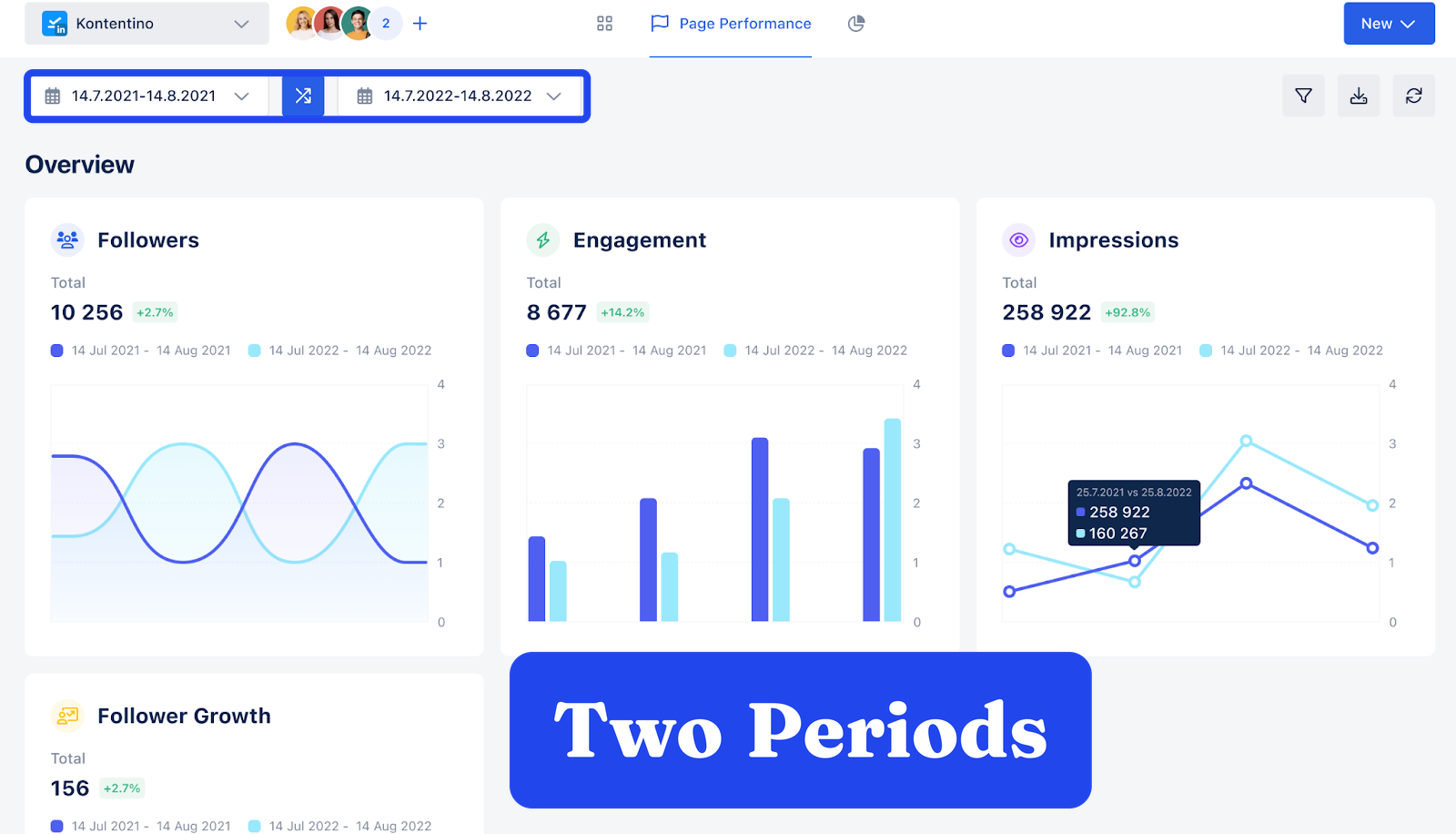
The stop decision is one period read against another. Somebody has to choose which period counts, and that is the part that never gets agreed at the start.
Pick the two stretches before the day arrives and write both of them down. Choosing them afterwards is how a review turns into an argument about which weeks were fair to count and which ones were a holiday.
What you decide now
Pick the channel you are least sure about. How many weeks would you watch before telling the client to stop paying for it?
Where these numbers come from
The fair run, the weeks to return and the posting rate are all figures you supply yourself, which is why the dial asks you for all three rather than assuming any of them. The four outcomes and the two signals that count are this course's own framework. No number in this lesson is a measured result about any tool, any agency or any client, and whatever figure the dial hands back is arithmetic performed on the three numbers you put into it.